THE DAYS OF THE DEAD
“A person dies twice: the first time is when their physical body dies…
The second time is when they are no longer remembered.”
Manding Proverb
What happens to the force that animates us when we die?
Does it somehow continue… somewhere?
Does the energy of our ancestors still exist?
Humans, across this planet, have pondered these wonder-filled questions since the dawning of their self-consciousness – and everywhere the response makes itself felt in life affirming rites and
celebrations.
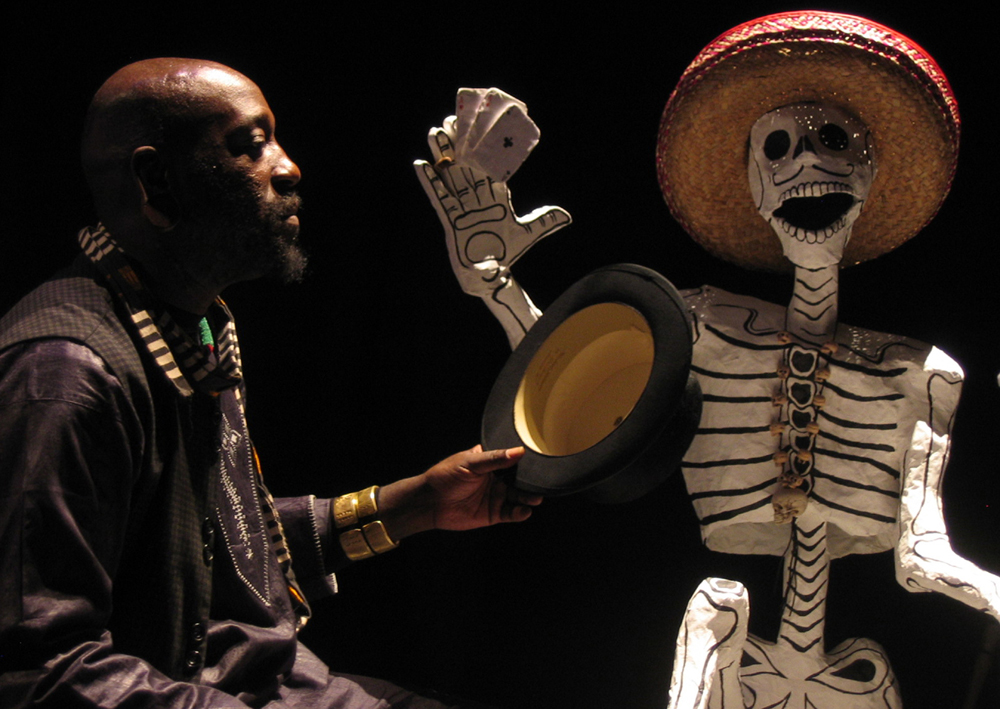
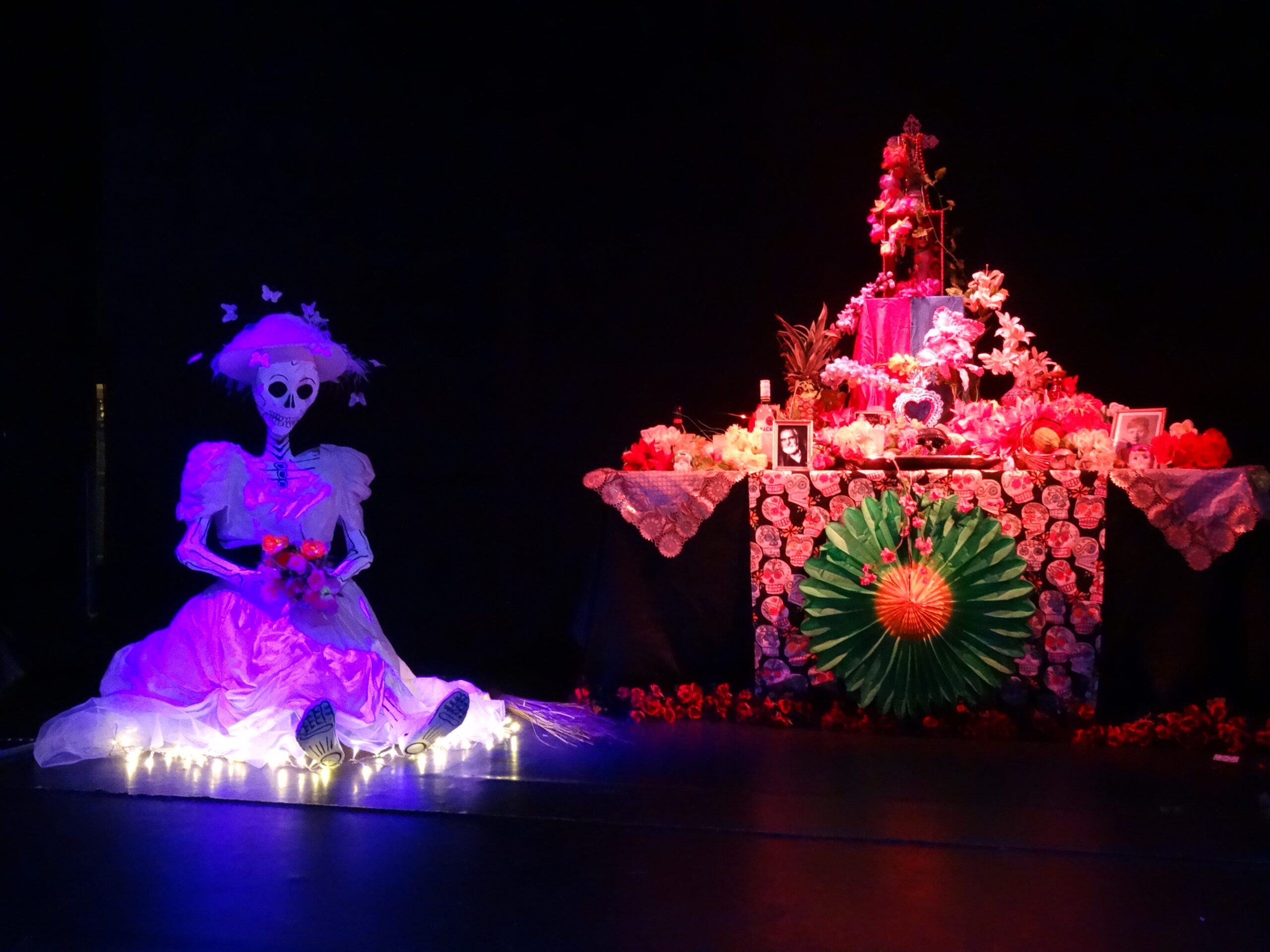
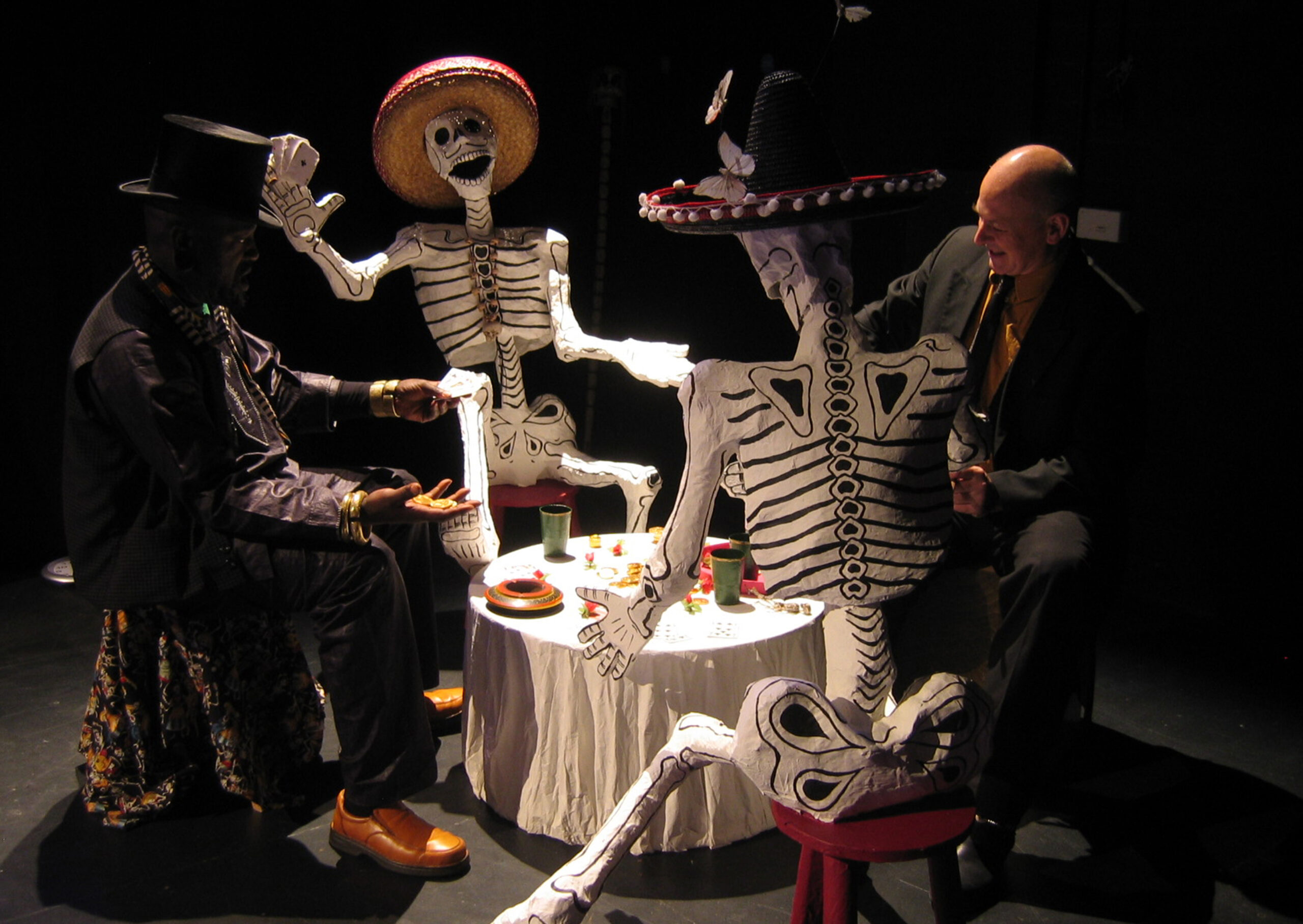
The Crick Crack Club has been marking the joyous festival of the Days of the Dead for more than two decades, creating events that offer windows into the commonality of the ancestral world and a shrine to all human ancestors – freed from the bindings of earthly geography and unprejudiced by religious convention.
30 OCT – 3 NOV 2026: Days of the Dead – a Window on the Otherworld
BOTH GALLERY, 323 Archway Rd, London N6 5AA
ORIGINS
In pre-Christian Europe there was a festival that the Celtic peoples called ‘Samhain’, that marked the end of the harvest cycle and a moment when the portals between the world of the living and the world of the dead were opened. This was syncretised (absorbed and melded with) into the Christian Calendar and Christian practice as the Hallowtide feasts of All Hallow’s Eve, (October 31st) All Saints (November 1st) and All Souls (November 2nd). Outrage at this pagan festival honouring and supporting the ancestral dead as if they could still be present on earth provoked Martin Luther’s early 16th century protest, and, in the new Protestant culture, the Hallowtide feasts were downgraded leaving Halloween to emerge as the rather distorted, if fabulous, “ghoul fest” we know today.
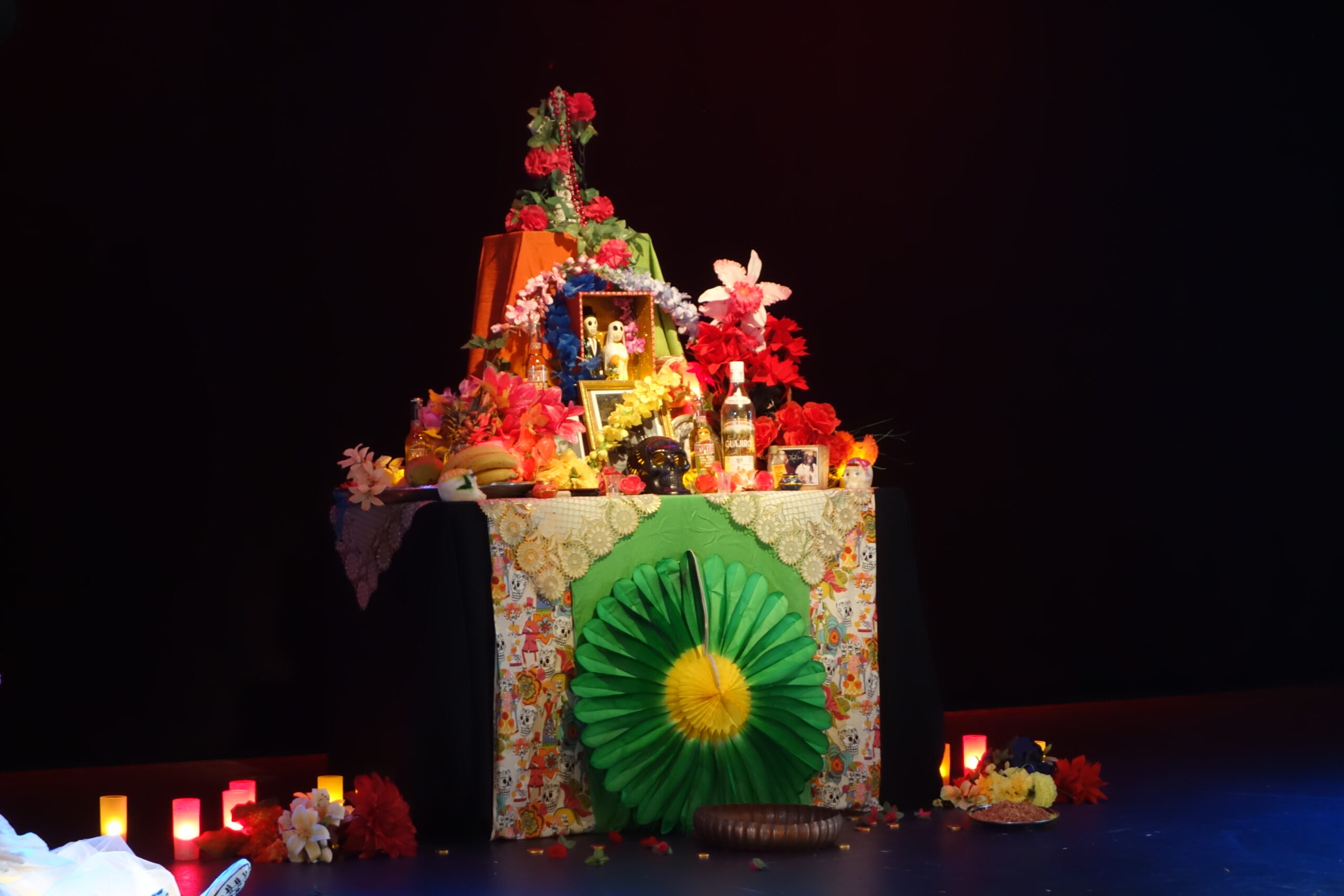
However, honouring and remembering the human dead is a sacred global practice and continues in Catholic countries, most spectacularly in Mexico, where the festival once again syncretised with an indigenous tradition and has evolved into a festival of exuberant, life-affirming commemoration of the ancestors known as ‘The Days of the Dead’. Celebrations include the tending of family graves, the preparation of elaborate meals, the construction of shrines in honour of departed family members – and the telling of their stories; anything to entice the dead back to the world of the living in order that they may be honoured and remembered and confer blessings and guidance.
THE INVITATION
Families are huge repositories of stories, memories, quirky family traditions, recipes that no one has ever written down, strange remedies, superstitions, sayings, and so much more. All too often we fail to be curious enough about the lives of those who have gone before us, until it’s too late. The Days of the Dead present an invitation to…
- Open the family photo album – whether it’s on your phone or an ancient dusty photo-album – and talk about who is in the photos, who they were, what they did, what they were like.
- Serve a meal featuring the family recipes – everything from Great Aunt Jane’s spotted dick, to the strange salad combination that your grandma insisted on serving when you visited, to your most recent culinary invention which may (or may not) enter the family recipe hall of fame.
- Lay a place at the table for those who are missed – whether they’re relatives, or friends who should have been relatives or who took up those roles, or those who are not dead, but are perhaps missing in the messy and complicated action of life.
- Make your own ofrenda – a simple candle and a photo, a collection of things on a mantlepiece or a full blown shrine. Many of us do this anyway all year round, we just might not call it a shrine…
- Ask all the questions before it’s too late – making this a time for openness and sharing – of discovering who your family is before they’re not there to ask anymore.
- Make a will – You can even do it yourself, or get support to do it at low cost or for free.